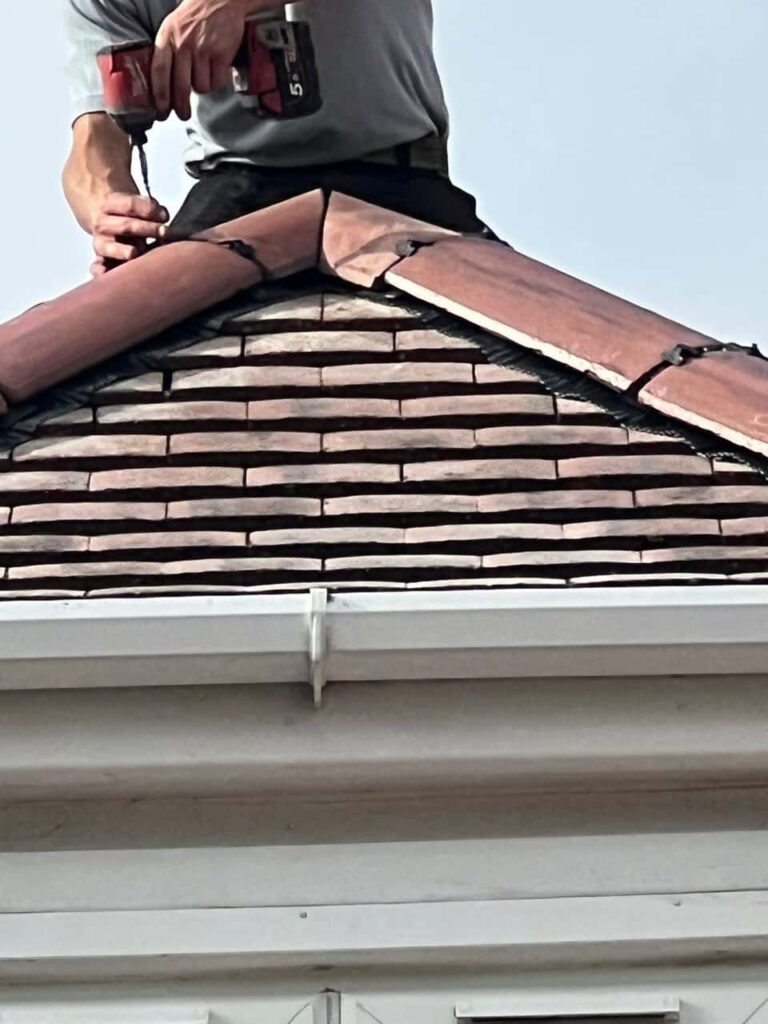
Roofing problems do not always develop slowly. In some cases, damage escalates quickly and poses an immediate risk to the property and those inside it. Knowing when a roofing issue has become an emergency can help homeowners take swift action and prevent more serious consequences. For residents in Rainworth, Lincolnshire, recognising these warning signs is essential.
1. Active Water Entering the Property
If water is visibly entering your home during rainfall, this should always be treated as an emergency. Active leaks can spread rapidly through ceilings, walls, insulation, and roof timbers.
The longer water is allowed to flow unchecked, the greater the risk of internal damage and structural weakening. Immediate professional attention is required to contain the issue.
2. Sudden Leaks After Storms or High Winds
Leaks that appear suddenly after severe weather often indicate displaced tiles, damaged flashing, or compromised roof sections. These faults can worsen quickly if exposed to further rain or wind.
In Rainworth, where changing weather conditions can place sudden stress on roofs, storm-related leaks should be addressed without delay.
3. Roof Tiles Missing or Hanging Loose
Loose or missing tiles expose the roof structure beneath to the elements. Tiles that are visibly slipping or hanging pose a dual risk: water ingress and falling debris.
This type of damage should be treated as urgent, as further tile loss can occur rapidly once the roof covering has been breached.
4. Water Affecting Electrical Fixtures
Any sign of water near electrical points such as lights, sockets, or wiring must be treated as an emergency. Moisture and electrics create a serious safety hazard.
Signs include dripping water near fittings, damp patches around electrical fixtures, or unexpected power issues linked to rainfall.
5. Sagging or Bowing Roof Sections
A sagging roofline or visible movement in the roof structure can indicate that timbers have been weakened by prolonged moisture or sudden damage.
If changes in shape appear alongside leaks or heavy rainfall, urgent assessment is needed to reduce the risk of further structural compromise.
6. Water Entering the Loft or Roof Space
Water entering the loft is often less visible than leaks in living areas, but it can be just as damaging. Saturated insulation, dripping water, or pooling moisture in the roof space can quickly lead to rot and long-term damage.
Leaks affecting the loft should always be treated as an emergency, even if internal ceilings appear unaffected.
7. Rapid Spread of Damp or Staining Indoors
When damp patches or staining spread quickly across ceilings or walls, it suggests that water is travelling beyond the original entry point. This is a sign that the problem is escalating.
Fast-moving internal damage indicates that immediate intervention is required to limit further impact.
Why Emergency Action Matters
Roofing emergencies rarely resolve themselves. Water can travel unseen, damage multiple areas, and weaken structural components before the full extent becomes obvious.
Prompt emergency repairs help stabilise the situation, protect the property, and reduce the risk of further deterioration.
Conclusion
An emergency roofer is needed immediately when there is active water ingress, storm damage, loose or missing tiles, electrical risk, structural movement, or rapid internal deterioration. Acting quickly can make a significant difference in protecting your home.
If you are facing an urgent roofing issue in Rainworth, Lincolnshire, Rainworth Roofing Repairs can provide prompt professional assessment and emergency roofing support. Recognising the signs early helps safeguard your property when it matters most.
Call us on: 01623 579 292
Click here to find out more about Rainworth Roofing Repairs
Click here to complete our contact form and see how we can help with your roofing needs.