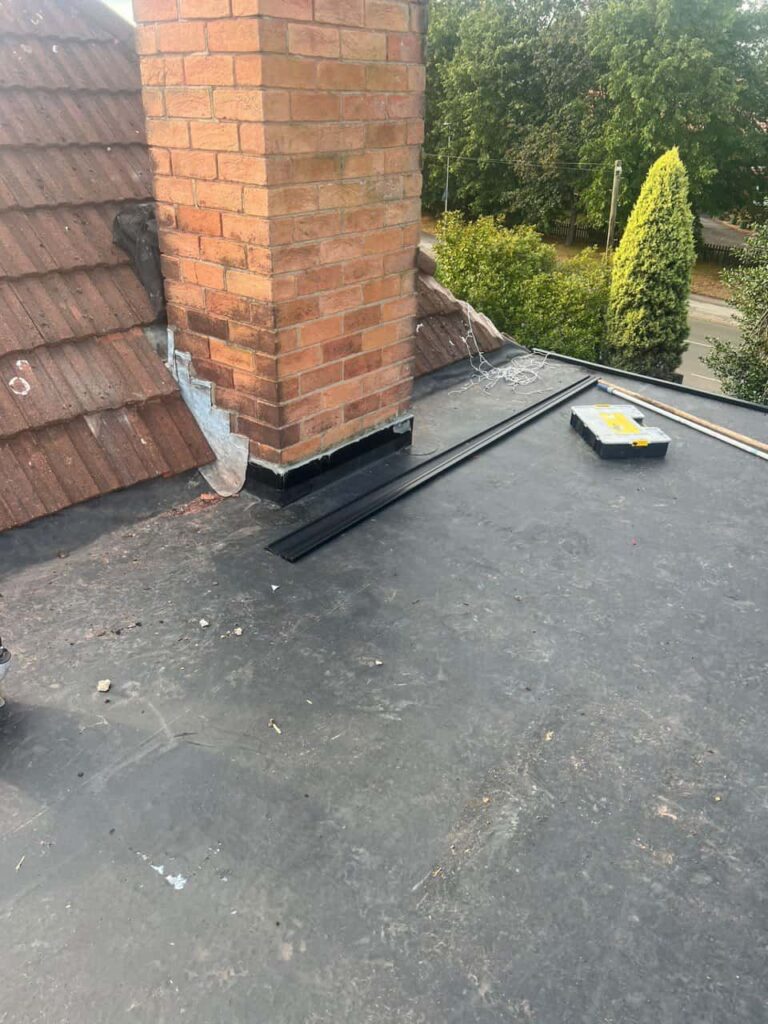
Felt roofing is commonly used on flat roofs, garages, sheds and extensions because it provides a practical barrier against rain and moisture. However, continued exposure to changing weather, standing water and everyday wear can gradually weaken the roofing material. Identifying problems early is important for preventing water ingress and helping the roof remain in good condition.
For property owners in Rainworth, Lincolnshire, regular inspections and timely felt roof repairs can help protect buildings from avoidable damage. Rainworth Roofing Repairs provides professional roofing services to help identify faults, address deterioration and maintain the performance of felt roofs.
What Causes Damage to Felt Roofing?
Felt roofs are designed to protect the structure beneath them, but their condition can deteriorate over time. Understanding the common causes of damage makes it easier to recognise when maintenance or repairs may be needed.
Weather exposure is one of the main factors. Repeated changes in temperature can cause roofing materials to expand and contract, placing stress on joints and edges. Heavy rainfall can also expose weaknesses in the roof’s waterproofing, particularly where water collects rather than draining away properly.
Other potential causes include ageing materials, poorly sealed seams, damage around roof outlets and deterioration where the felt meets walls or roof edges. Foot traffic can also damage the surface if people walk across the roof without taking suitable precautions.
Whatever the cause, addressing a developing fault promptly can help prevent a minor roofing problem from becoming more extensive.
Warning Signs That Your Felt Roof Needs Repairs
Recognising early signs of damage is essential for maintaining a watertight roof. Although some faults are difficult to see from ground level, several warning signs may indicate that a professional inspection is worthwhile.
Cracks, Splits and Tears
Visible cracks or splits can develop as felt becomes brittle or experiences repeated movement. Even a relatively small opening may allow rainwater to penetrate the roofing layers, particularly during prolonged wet weather.
Any visible damage should be assessed to determine whether a localised repair is suitable or whether a larger section of the roof has deteriorated.
Blistering and Bubbling
Raised bubbles or blisters can appear when air or moisture becomes trapped beneath the roofing felt. These areas may weaken over time and become more vulnerable to splitting.
Blisters should not simply be punctured or covered without understanding the underlying cause. A suitable repair needs to address the affected area and restore the roof’s protective surface.
Lifting Edges and Loose Seams
The edges of felt roofing and the joints between adjoining sections are important points of protection. If these areas begin to lift, separate or lose adhesion, water can find its way beneath the covering.
Pay particular attention to roof perimeters, joints and areas where the felt meets upstands or walls. These details can be especially vulnerable to water ingress when the original seals deteriorate.
Damp Patches and Water Stains Indoors
Water marks on ceilings, damp patches on walls and unexplained moisture inside a garage or extension may indicate a roofing problem. However, the source is not always directly above the visible stain, as water can travel along the structure before becoming noticeable.
A professional inspection can help identify whether the felt roof is responsible and determine where repairs are needed.
Why Standing Water Should Not Be Ignored
Flat roofs should be designed to drain water effectively. If rainwater remains on the surface for extended periods, it may indicate blocked outlets, inadequate drainage or a problem with the roof’s falls.
Persistent ponding places additional demands on the roofing system and can expose weak joints or damaged areas to prolonged moisture. It is important to establish why water is collecting rather than assuming that replacing the felt alone will solve the issue.
Keeping drainage outlets clear of leaves and debris can help maintain water flow. If standing water continues after rainfall, a roofing professional can assess the drainage arrangements and recommend an appropriate solution.
How Timely Felt Roof Repairs Extend Roof Life
Repairing damaged felt before water penetrates the underlying structure can help preserve the roof and reduce the risk of secondary problems. Depending on the condition of the covering, repairs may involve resealing vulnerable joints, securing lifted edges, treating localised damage or replacing deteriorated sections.
The correct approach depends on the age of the roof, the type of felt used and the extent of the deterioration. Applying a patch over an unsuitable or unstable surface may provide only a temporary improvement, so the cause of the damage should be identified first.
Where deterioration is widespread, a more extensive repair or replacement may be the more appropriate long-term option. A professional assessment helps establish the condition of the roof and whether localised repairs are likely to provide a reliable result.
Maintaining Your Felt Roof Between Repairs
Regular maintenance can help identify developing issues before they lead to leaks. Property owners can look for visible changes from a safe position at ground level, particularly after periods of heavy rain or strong winds.
Useful maintenance measures include:
- Keeping gutters and roof drainage outlets clear of leaves and debris.
- Looking for signs of lifting, cracking or visible surface deterioration.
- Checking internal ceilings and walls for new damp patches or water staining.
- Arranging a professional inspection when damage or persistent ponding is suspected.
Avoid walking on felt roofs or attempting repairs without suitable equipment and experience. Roofing surfaces can be slippery, and damaged areas may not safely support a person’s weight.
Professional Felt Roof Repairs in Rainworth, Lincolnshire
Felt roofing problems are not always obvious, and visible damage may be a symptom of a wider issue with drainage, joints or the underlying roof structure. Professional assessment helps establish the cause and identify repairs that are appropriate for the roof’s condition.
Rainworth Roofing Repairs can help property owners in Rainworth, Lincolnshire, address felt roof damage and maintain effective weather protection. Whether you have noticed a small split, loose felt or signs of a leak, arranging an inspection can help you understand the next steps.
If you are concerned about the condition of your felt roof, contact Rainworth Roofing Repairs to discuss your roofing needs and arrange a professional assessment.
Conclusion
Felt roofs can provide dependable protection when properly installed and maintained, but cracks, blistering, loose seams and drainage problems can gradually compromise their performance. Recognising these warning signs and arranging suitable repairs can help prevent water ingress and extend the useful life of the roof.
For property owners in Rainworth, Lincolnshire, regular maintenance and timely professional attention are practical ways to protect garages, extensions and other buildings with felt roofing. Rainworth Roofing Repairs can help identify problems and determine the most suitable approach to keeping your roof in good condition.
Call us on: 01623 579 292
Click here to find out more about Rainworth Roofing Repairs
Click here to complete our contact form and see how we can help with your roofing needs.